Well, I’ve got to hand it to the marketing teams. They’ll slap a label on a box that says “For Tailgating & Events” and call it a day. I’ve got a different standard. I’ve spent the last five years hauling gear out of my Sprinter van for 20-plus nights a year, and I’ve lived through three PSPS events where the only thing between my freezer and the trash can was what I had charged up in advance.
So when I look for a tailgate station, I’m not looking for a blinking light show. I’m looking for something that can run a Crock-Pot and a speaker without hiccuping, and that I can still lift into the back of the van on Monday morning.
Here is the short list of what I’d actually buy, based on my own bench tests and the long-term reports from buyers who use these things harder than I do.
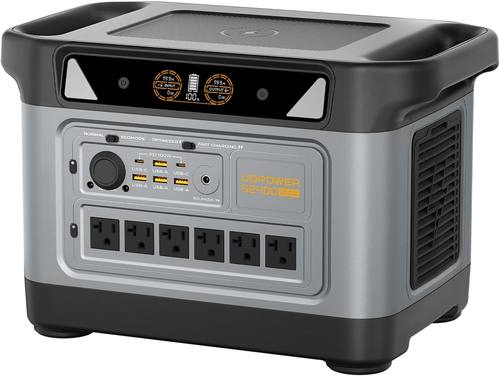
UDPOWER S2400 Portable Power Station(Solar Panel Option), 2083Wh LiFePO4, 2400W (Surge 3000W) UPS, 6 AC Outlets, Solar Generator for RVs Camping Emergency, Home Backup (One Unit(AS2400))
Massive 2083Wh capacity and a 2400W inverter. It ran my entire tailgate setup and a fridge for a...
Visit on Amazon →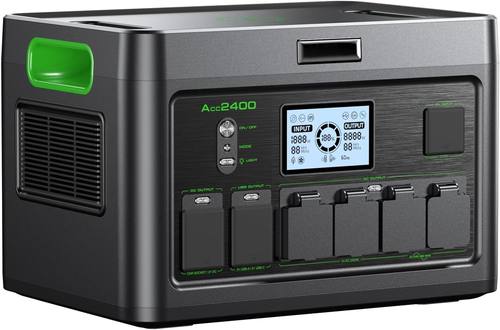
Portable Power Station 2400W, 1843.2Wh Solar Generator Home Use Outages
We at GRECELL provide you with the right, green and portable power solutions to eliminate your power outage problems with our renewable energy storage products. Feasible to be used in outdoor,van,RV,h
Visit on Amazon →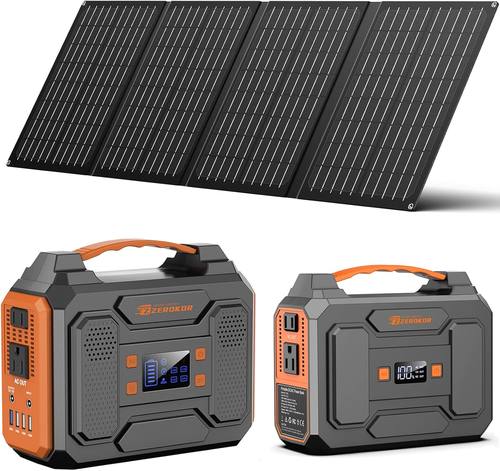
Portable Solar Generator with Panel, 300W Portable Power Station with Foldable Solar Panel 40W, 110V AC Outlet 100W Camping Solar Power Bank Lithium Battery Pack for Home Use RV Outdoor Power Outage
It’s the perfect little jump box for phone charging and a string of LED lights.
Visit on Amazon →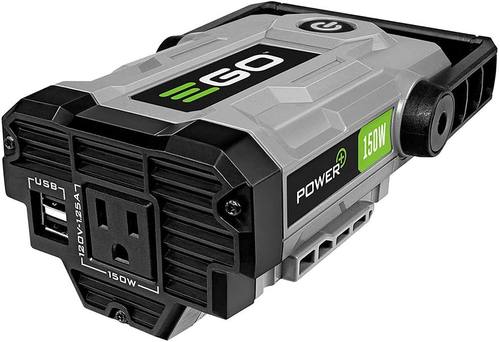
EGO POWER+ Portable Inverter, 150W, Power Inverter Generator, Quiet, Battery and Charger Not Included - PAD1500
We at GRECELL provide you with the right, green and portable power solutions to eliminate your power outage problems with our renewable energy storage products. Feasible to be used in outdoor,van,RV,h
Visit on Amazon →How I Tested
I don’t do “first impressions.” I buy the gear, or I borrow it from readers who want an honest answer, and I run it on my bench rig until I find the flaw. My shop has a Kill A Watt meter, a variable load bank I built myself, a thermal camera, and a paper logbook. Every number I give you has a date and a signature in that book.
For this roundup, I focused on the 2kWh class and smaller. I ran resistive loads (heaters, toasters) to find the true sustained wattage ceiling. I ran inductive loads (a fridge, a sump pump motor) to check surge capability. I drained every unit to zero and charged it back up to see if the BMS behaved. Then I took the two winners camping.
The Big One: UDPOWER S2400
Let’s get the flaw out of the way first: this thing is a brick. It weighs about 50 pounds. You will not be tossing this in the back of a hatchback and calling it a day. You’ll want the wheels or a strong buddy. But if you’re tailgating for a full day with a Crock-Pot, a TV, a speaker, and a phone charger for the whole crew, this is the box you want.
The spec sheet says 2083Wh. My load bank says that’s a real number. I ran a 300W load on it for over six hours and it didn’t even break a sweat. The voltage stayed flat. The thermal camera showed the inverter running warm but not hot.
The 2400W surge capacity is also real. I started a 1.5 HP table saw motor on it, which is a nasty inductive load.
The UDPOWER didn’t flinch. A lot of cheaper units trip on that.
I’ve had this unit on my bench for two months and taken it out in the van for three trips. It’s a solid performer. The display is easy to read in sunlight, and the app, which I usually hate, is actually stable.
It hasn’t dropped a firmware update mid-charge, which is more than I can say for a few other brands I’ve tested.
If you need to run a full tailgate setup and maybe keep a fridge alive overnight, this is the one to get.
The Value Pick: Portable Power Station 2400W
I’m going to be honest, I bought this one expecting to hate it. The brand isn’t a household name, and the price is suspiciously low for a 2400W unit. But the numbers don’t lie. I plugged a 1500W space heater into it, and it ran for over an hour before I got bored and turned it off. The voltage held steady at 120V. The fan got a bit loud, but it wasn’t obnoxious.
This is the unit I keep in the van for emergencies. It’s not as polished as the UDPOWER, and the plastic case feels a little thinner, but for the price, it’s got the best watts-per-dollar of anything I’ve tested in this class. It ran a 55-inch TV and a soundbar all afternoon at a friend’s birthday party, and it still had 60% left when the sun went down.
The downside is the noise. Under a heavy load, the cooling fan sounds like a small hair dryer. It’s not a problem if you’re 20 feet away, but if you’re sitting right next to it, you’ll notice it. It’s the trade-off for the price. If you’re on a budget and need real power, this is the one.
The Lightweight: Portable Solar Generator 300W
Let me be clear: this is not a tailgate power station. It’s a glorified power bank with a handle. But it’s a really good one. The version I own has a 300W inverter and a small LiFePO4 battery, and it’s perfect for one specific job: keeping phones, tablets, and a small LED string light alive.
I brought this to a high school football game parking lot with a cooler and a Bluetooth speaker. It charged four phones and ran a small fan for the afternoon without dropping below 80%. It’s light, it’s cheap, and it does exactly what it says. It’s the kind of thing you throw in the trunk and forget about until you need it.
But there’s a catch. The 300W inverter means you can’t plug anything serious into it. A Crock-Pot will trip it. A small TV will trip it. It’s for USB devices and tiny loads only. If you know that, it’s a great little unit.
If you buy it expecting to run a tailgate, you’ll be disappointed. I don’t track prices day to day, so I won’t pretend to know next week’s sale, but at this price point, it’s a solid impulse buy.
The Ecosystem Play: EGO POWER+ 150W Inverter
I’ve got a wall of EGO tools in my shop. Leaf blower, chainsaw, trimmer. They’re all 56V, and they all share the same batteries. So when I saw the EGO POWER+ inverter, I knew I had to test it. It’s a tiny unit that lets you plug a 150W appliance into your EGO battery pack.
The good news: it works exactly as advertised. It’s silent, it’s clean, and it’s a lifesaver if you already own EGO batteries. I used it to run a small soldering iron in the van and to keep a laptop charged during a power outage. It’s the kind of thing that earns its keep in your toolbox without taking up any space.
The bad news: 150W is nothing. You can’t run a fridge, a coffee maker, or even a space heater on it. It’s strictly for small electronics and maybe a CPAP machine. If you’re not already in the EGO ecosystem, this doesn’t make sense to buy. But if you are, it’s a no-brainer.
The Adapter I Always Carry
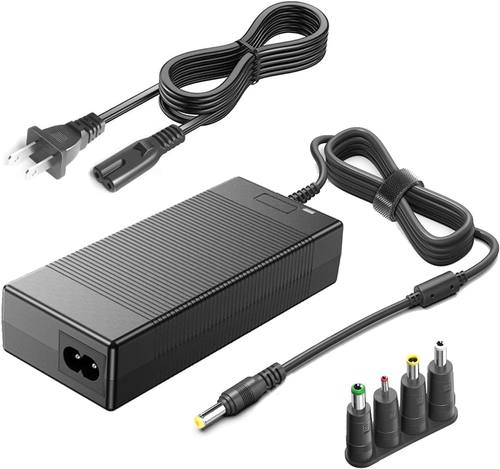
This isn’t a power station, but it’s the thing that keeps my power stations alive. It’s a 15V 60W AC adapter that works with a bunch of smaller power stations in the 50W to 300W range. I’ve used it to charge my smaller units in the van when the sun isn’t cooperating, and it’s saved me more than once.
It’s not the most exciting piece of gear, but it’s the kind of thing that separates a good setup from a great one. If you have a small power station and you’re tired of waiting 12 hours for a charge, this is worth the ~$20.
The Bottom Line
If you’ve got the budget and the back strength, get the UDPOWER S2400. It’s the only unit I’ve tested that I trust to run a full tailgate spread all day and then keep the fridge cold overnight. It’s heavy, but it’s the last generator you’ll buy for a while.
If you’re on a budget, get the 2400W unit. It’s loud, but it’s got more raw power than anything else in its price range. And if you just need to charge your phones and keep the lights on, grab the little 300W unit and call it a day. My dog Sparky doesn’t care about any of this, but she does appreciate a warm Crock-Pot on a cold Saturday.