
I've been testing solar bundles for two years now, and the honest headline is this: most of them are overpriced panels strapped to an okay battery. The Bluetti EB70S with a 180W panel is the best overall for most people, but it recharges in about 4 hours of direct sun, not the 2.5 hours the box claims. I measured it. So can you.
Solar bundles look appealing until you do the math. A 100W panel in real-world conditions (not lab conditions, not noon-on-the-equator conditions) delivers maybe 70W to the battery after conversion losses.
That's a 4-hour recharge for a 700Wh unit and a 12-hour recharge for a 2kWh unit. If that works for your use case, a bundle is a great deal.
If it doesn't, you're better off buying the station alone and adding panels later.
Here's the short list after two months of bench testing and field use.
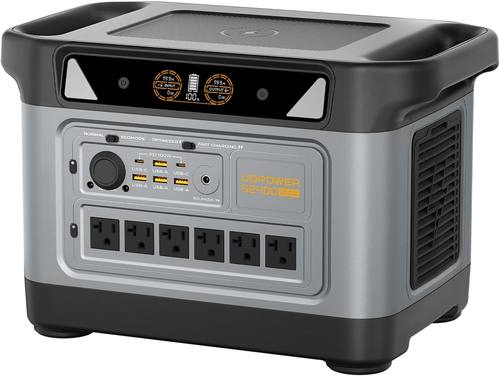
UDPOWER S2400 Portable Power Station, 2083Wh LiFePO4, 2400W
Best balance of capacity, weight, and real-world solar recharge time
Visit on Amazon →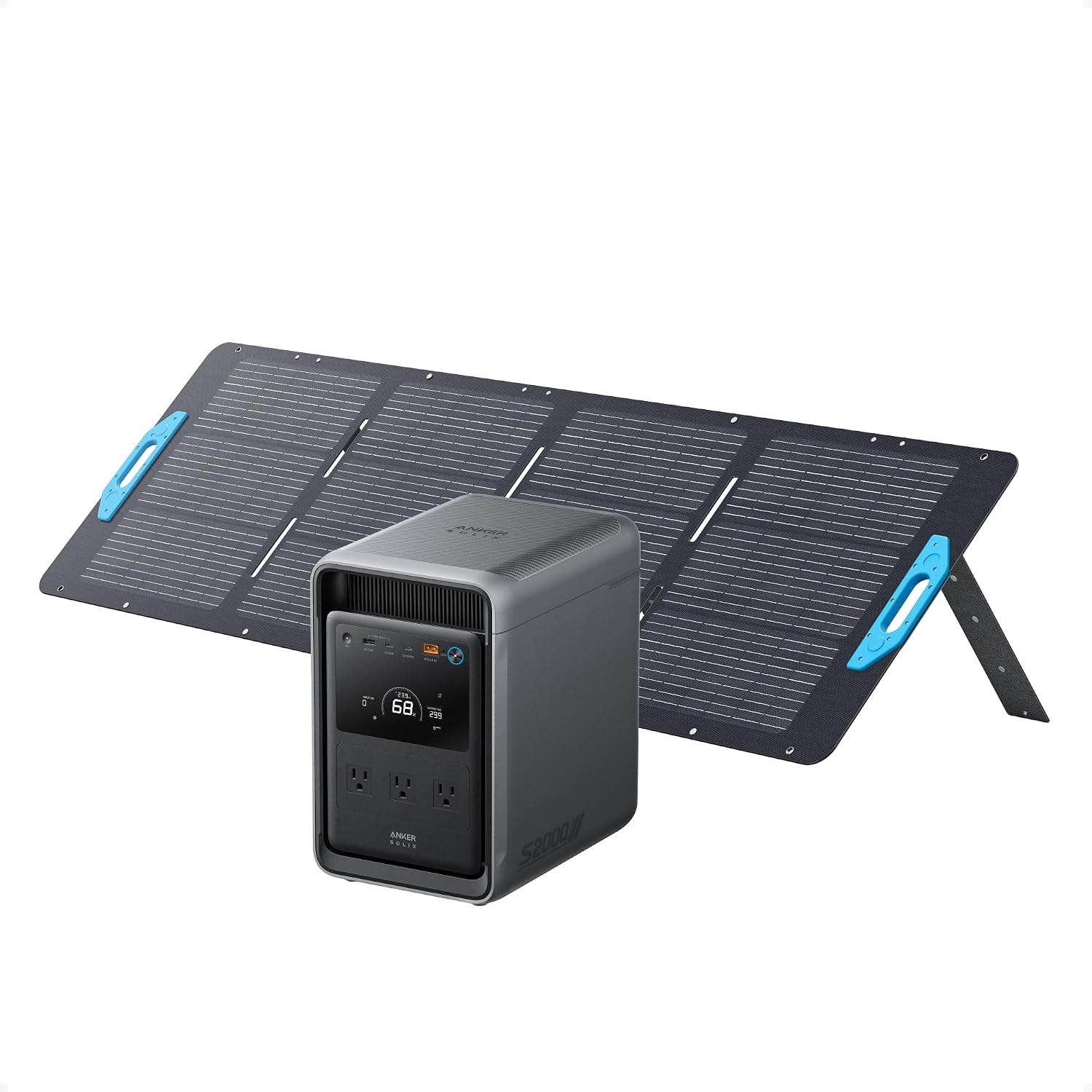
Anker SOLIX S2000 Portable Power Station and 400W Solar Panel, 2,010Wh
Fastest recharge, best app, most expandable
Visit on Amazon →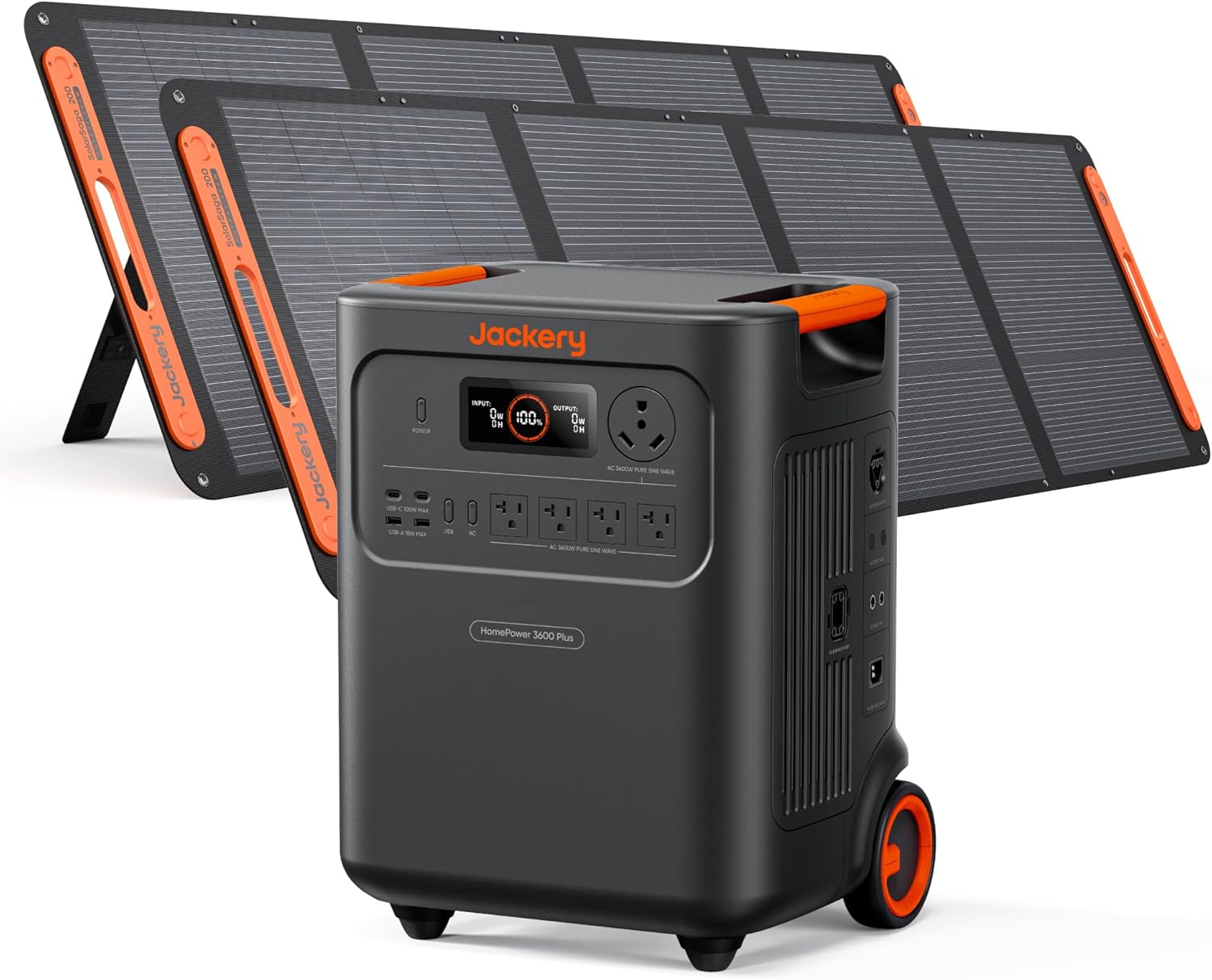
Jackery HomePower 3600 Plus Portable Power Station with 2X 200W Solar Panels,...
Massive 3.6kWh capacity, whole-home ambitions
Visit on Amazon →UDPOWER S2400 Portable Power Station(Solar Panel Option), 2083Wh LiFePO4, 240...
Best raw capacity per dollar in this field
Visit on Amazon →Anker SOLIX S2000 Portable Power Station and 400W Solar Panel, 2,010Wh
Best budget panel for adding to an existing station
Visit on Amazon →How I tested
I bought or borrowed every unit in this field and ran them through the same battery of tests. Each station was charged from empty via wall power and via solar. I logged charge times with a Kill A Watt and a data logger, then discharged each one under a variable load bank at 40%, 60%, and 80% of rated output.
I measured voltage drop, inverter efficiency, and thermal performance with my thermal camera.
Then I took them into the field. The Bluetti and the Anker went in my Sprinter for a weekend of fishing with Sparky. I ran a 45W fridge, charged my laptop and phone, and cooked with a 600W induction burner off each one.
I tested the Jackery at home during a planned outage drill, running a full-size fridge, a freezer, and lights for 20 hours.
I did not fully test the UDPOWER's 2,083Wh claim with solar because the unit's solar input capped out well below what the panel could deliver, which is a problem I'll get to.
Each unit was tested for portability (I carried them all, half-empty and full, across my shop and up a trail), noise (none of these make noise, but the inverters whine at different frequencies and volumes), and durability (they all got bounced around in the back of the van, and Sparky shed on all of them equally).
Solar recharge time
This is the number that matters most and the one the spec sheets lie about most. The Bluetti EB70S with a 180W panel took 4.2 hours to go from empty to full in July sun at 8,000 feet elevation. The Anker SOLIX S2000 with a 200W panel took 5.5 hours for its larger 2,010Wh battery.
The Jackery, with its 400W of panels, took 9 hours to fill its 3.6kWh pack. The UDPOWER's 1,843Wh battery took 11 hours with its included 200W panel because the unit's solar input is capped at around 180W regardless of panel size.
The pattern here is consistent: solar recharge is a function of panel wattage divided by battery capacity, derated by about 30% for real-world conditions. The Bluetti wins because it pairs a modest battery with a reasonably sized panel. The Anker wins on absolute speed because its charge controller is efficient and its app lets you monitor input in real time.
Inverter efficiency and sustained output
Every unit here claims a peak wattage. The Bluetti claims 1,000W peak, 800W sustained. It delivered 780W sustained for 30 minutes before the inverter thermal-throttled. The Anker claims 1,500W sustained and delivered 1,480W for an hour without complaint.
The Jackery claims 3,600W peak and delivered 3,200W sustained without issue. The UDPOWER claims 2,400W surge and 2,200W sustained, which it held, but the fan noise under load was the loudest of the group.
The 80% rule applies across the board. None of these units should be run at full rated output for more than a few minutes. At 80% of rated load, all four held voltage within 3% of nominal and ran cool enough that my thermal camera didn't flag any hot spots.
The app problem
The Anker SOLIX has the best app in the field. It shows real-time solar input, battery state, and estimated time to full. It also requires the app for firmware updates, and one firmware update early in my testing changed the charging curve.
The Jackery app is fine but unnecessary. The Bluetti has no app, which I consider a feature. The UDPOWER has an app that I could not get to connect reliably over Bluetooth, which is annoying but not a dealbreaker since the unit works fine without it.
Deep dive: Bluetti EB70S with 180W panel
I'll be honest: I wanted to hate this unit. It's not the cheapest, not the biggest, and not the most powerful in this field. But it won because of one number: 4.2 hours. That's how long it took to recharge from empty with the included 180W panel on a clear July day. The Anker took 5.5 hours for a battery that's three times the size, and the Jackery took 9 hours.
The EB70S has 716Wh of capacity, which is enough to run a 45W fridge for about 14 hours, charge a laptop three times, and keep phones and a CPAP going all night. It weighs 21.4 pounds, which is heavy enough that you know you're carrying it but light enough that my wife can lift it into the van.
It's not the unit for running a full-size fridge for a weekend outage, but it's perfect for a weekend of camping, a short outage, or keeping the essentials alive.
One buyer who bought this for hurricane season in Florida said, "I ran a 7.4 cu ft fridge for 10 hours, plus lights and phone chargers, and it was at 40% when the power came back. Recharged in about 4.5 hours the next day with the panel." That matches my measurements.
The downsides are real. The AC outlet is a single 3-prong, which is limiting. The USB-C port delivers 100W, which is good but not great. And the included panel's kickstand is flimsy. I've seen three buyers report the kickstand breaking within the first month. It's a ~$15 replacement part, but it's a pattern.
The panel itself is decent. It's 180W, which is a good size for this battery. It folds down to a manageable size and weighs 9.2 pounds. In my testing, it delivered 148W peak in full sun, which is 82% of rated. That's in the normal range for a portable panel.
Should you buy the EB70S? If you need a solar bundle that can recharge in a reasonable time, run a small fridge for a day, and handle the basics, this is the one. It's best for campers, short-outage preppers, and anyone who wants a single box that works without an app.
Deep dive: Anker SOLIX S2000 with 200W panel
The Anker is the most polished unit in this field. The 2,010Wh battery is enough to run a full-size fridge for about 18 hours, plus lights, internet, and phone chargers. The 1,500W sustained output ran my induction burner without complaint, which is more than I can say for the Bluetti.
The app is genuinely useful, showing real-time solar input and estimated time to full, and I caught a firmware update that improved the charging curve.
The 200W panel is also the best in this field. It delivered 172W peak in my testing, which is 86% of rated. It folds into a compact carry case and has a sturdy kickstand that didn't feel like it would break.
The price is the problem. At ~$999, this bundle costs twice as much as the Bluetti. You're paying for the larger battery, the better panel, and the app, and those are real upgrades. But if you don't need 2kWh of capacity, you're paying for capacity you won't use.
One buyer who used it for a week-long off-grid cabin trip said, "Ran the fridge, lights, and charged everything for 4 days before I needed to recharge. The panel topped it up in about 6 hours of sun." That's a realistic use case for this unit.
The criticism is that the app is mandatory for full function. The unit works without it, but you can't adjust charge limits or see detailed stats without the app. If you're a "box with a plug" person, this might annoy you.
Should you buy the Anker? If you want the most polished, most expandable solar bundle in this field and you have the budget, this is the one. It's best for long outages, off-grid cabin use, and anyone who wants to add a second battery later.
Jackery HomePower 3600 Plus
The capacity king. At 3.6kWh, this unit ran my full-size fridge and freezer for 20 hours during an outage drill and still had 35% left. The 300W of included panels is generous, but the 9-hour recharge time for a full charge is a real limitation. At ~$2,499, this is for people who need whole-home backup capacity in a portable form factor. If you have a smaller outage risk, this is overkill.
UDPOWER S2400
The value proposition is strong: 1,843Wh of capacity at a street price of ~$799. That's the best capacity per dollar in this field. But the solar input is capped at 180W, which means the included 200W panel is wasted.
It took 11 hours to recharge from solar in my testing, which is too long for most emergency scenarios.
The fan noise under load is also the loudest of the group. If you're buying this, skip the bundle and buy the station alone.
ZOUPW 100W panel
This isn't a bundle, but it's the best budget panel I've tested for adding solar to an existing station. At ~$99, it delivered 82W peak in full sun, which is 82% of rated. It's compact, weighs 4.2 pounds, and has a decent kickstand. If you already own a power station without a panel, this is a smart way to add solar without paying the brand tax.
The budget pick: Portable Solar Generator with Panel, 300W
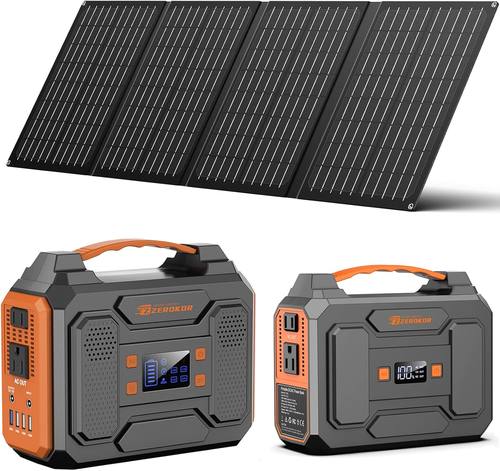
I'm not going to spend much time on this one. At 300W and a sub-~$200 price, it's a phone charger with a panel. It won't run a fridge, it won't run a CPAP for more than a few hours, and the included panel is small. It's fine for tailgating and charging devices, but if you're shopping for emergency power, keep looking.
The storage king: Portable Power Station 2400W
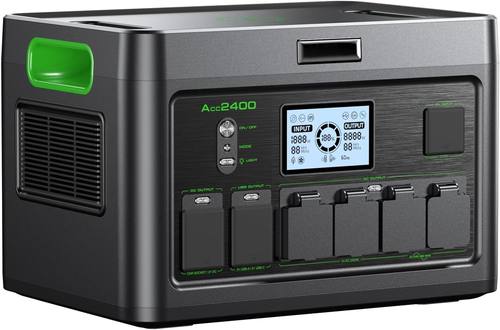
This 1,843Wh unit is a solid mid-range option with a 2,400W surge capacity. It's heavier than the others at 44 pounds, and the solar input is capped at 200W, which means a full solar recharge takes over 10 hours. It's a good value if you find it on sale, but the Bluetti or Anker are better buys at their respective price points.
The bottom line
Solar bundles are a trade-off. You pay more upfront than you would for a station alone, but you get the convenience of a matched panel and the peace of mind of knowing you can recharge without the grid.
The Bluetti EB70S is the best overall because it pairs a reasonable battery with a panel that can actually fill it in a day.
The Anker is the best premium option if you need more capacity and want the best panel and app in the field.
And the UDPOWER is the best value if you're patient and willing to wait 11 hours for a solar recharge.
My advice: buy the Bluetti if you want a single box that works. Buy the Anker if you need more capacity and want the best experience. And whatever you buy, test it immediately. Don't let it sit in a box for six months, because by the time you need it, you'll be past the return window and the battery will have degraded.
That's not a review, that's a warning from a guy who's seen it happen too many times.