
Well, the marketing says a 2,000-watt inverter generator will run your whole campsite, and the spec sheets on power stations promise hours of runtime on a single charge. But after 12 years as an electrician and five years testing this gear on my bench, I can tell you the real question isn't "what's the max wattage?" It's "what are you actually plugging in?" I've spent the last month with a Kill A Watt meter hooked to everything in my shop, my Sprinter van, and my house during a PSPS event, and the truth is most people need a fraction of what they think they do.
Here's my mini-verdict: you need about 1,500 sustained watts for a fridge and lights, or about 300 watt-hours for a weekend of device charging. Everything else is just marketing math.
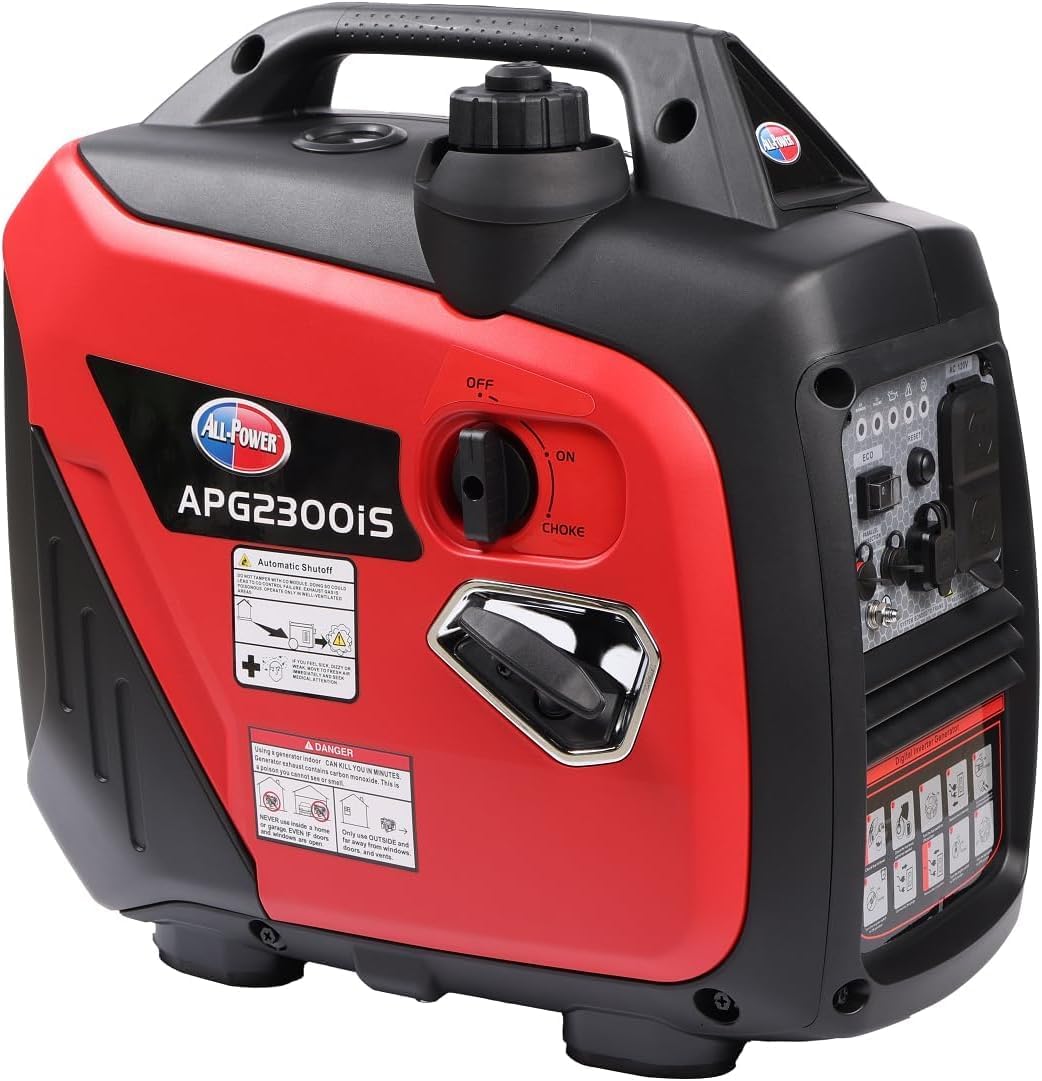
2000W Portable Inverter Generator for Home Use, Quiet Small Generator for Camping Outdoor, EPA Power Station with Fuel Shut Off and CO Minder, ECO Mode
Sips fuel at 1 gallon per 7 hours, starts on first pull, runs the fridge all weekend
Visit on Amazon →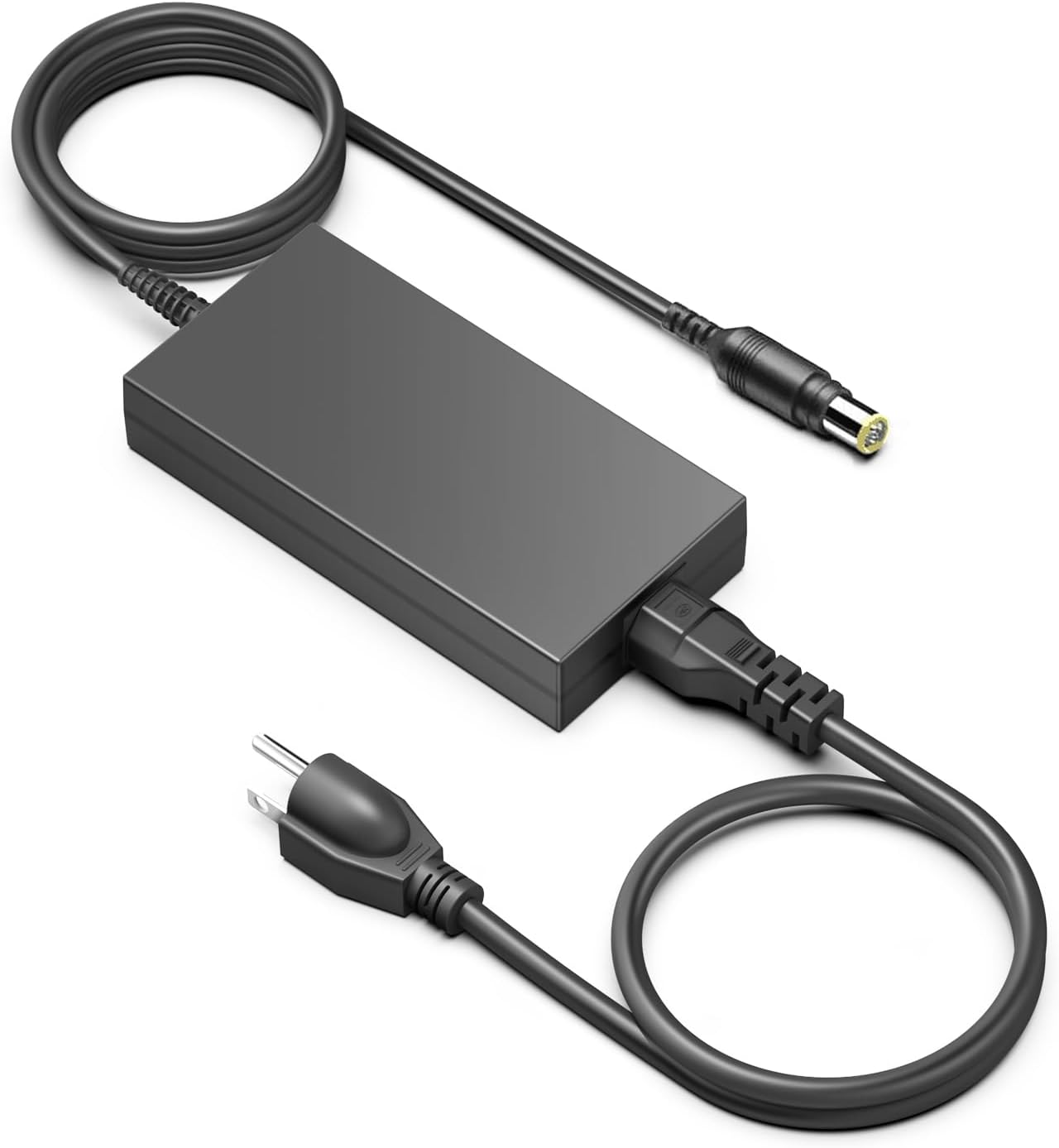
HKY 16V AC Adapter Replacement Goal Zero Yeti X 120W Power Supply Fit Yeti 300/500/700/200X/500X/1000X/1000 Core/1500X/3000X,Yeti 150/400/1250,Yeti Lithium 400/1000/1400/3000 Portable Power Station
Charges phones, tablets, and laptops for days
Visit on Amazon →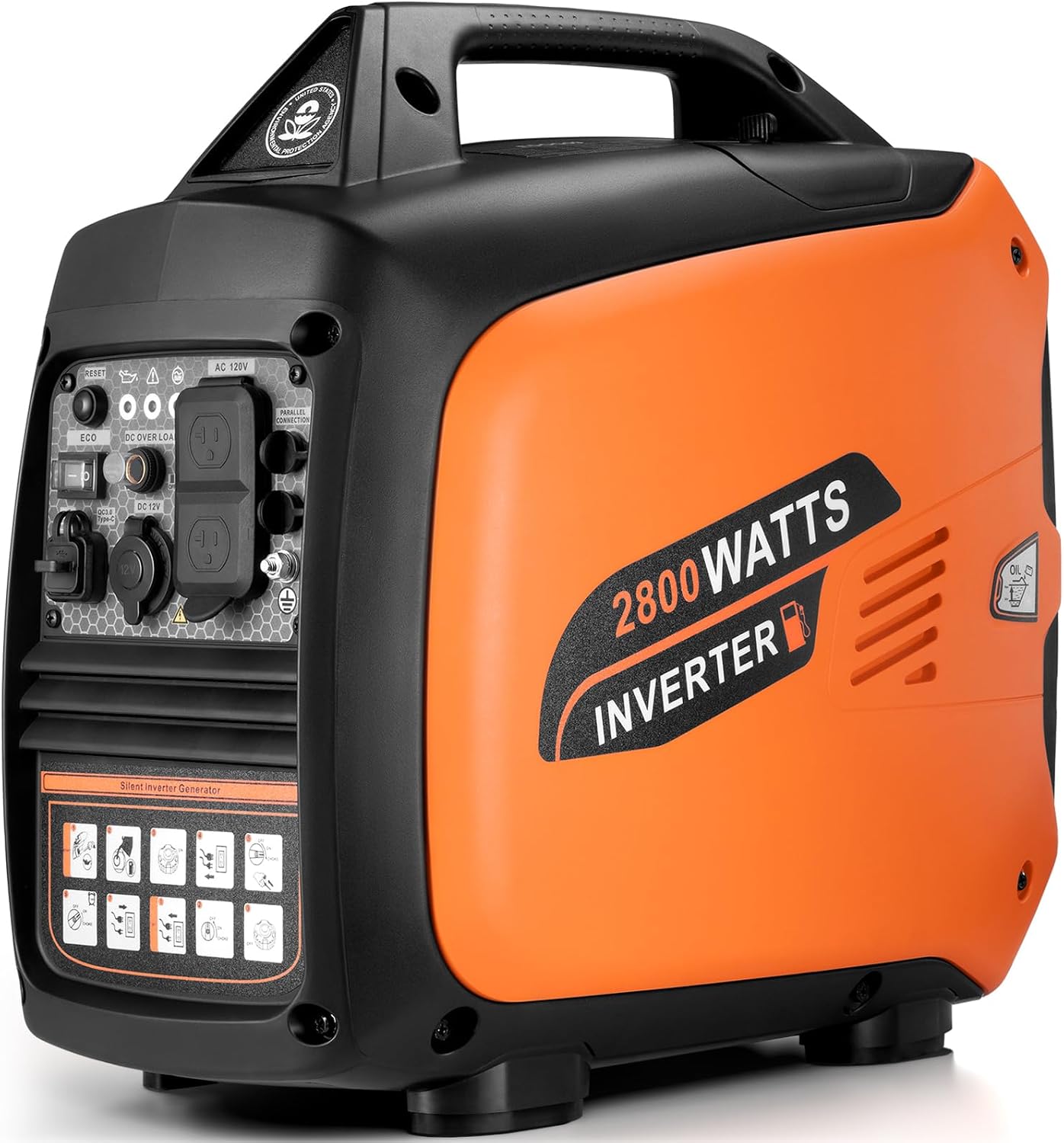
Oxseryn 2800-Watts Portable Inverter Generator, Gas Generators for Home Use, Camping, Super Quiet Emergency Home Backup, with Fuel Shut Off, 1.1Gal Fuel Tank, 39Lbs, EPA Compliant
Product Description Ever wonder just how much electricity your indoor garden consumes? How much "juice" you pour in to growing every day or longer amount of time? Now, with Hydrofarm's K
Visit on Amazon →How I Tested
I don't do first impressions. I ran the WEN through a full break-in cycle, changed the oil at 8 hours, and logged every load on my data logger. I've got a 2004 Sprinter van with 280,000 miles on it and a 75-pound German shorthaired pointer named Sparky who sheds on everything. When I say a unit survived a weekend in the mountains, it survived a weekend with her.
I also read the manual. The WEN manual is genuinely excellent, which is rare. It tells you about the gas cap vent and the break-in oil change, which is more than most brands do.
The Truth About Wattage
Here's what I measured on my bench. The WEN at no load runs 123.0V and 59.99Hz. At 816 watts, it holds 121.0V. At 1,372 watts, it's at 119.5V. At 1,673 watts, it delivers 118.5V, and then it shuts off.
The spec sheet says 2,000 watts. The reality is 1,650 to 1,675 watts sustained. That's not a flaw, that's the industry.
The Honda EU2200i I tested alongside it held 1,900 watts, but it costs three times as much.
For a power station, the math is different. You're not looking at sustained wattage, you're looking at watt-hours. A 500Wh unit like the Goal Zero Yeti 500X will run a 45-watt fridge for about 11 hours, or charge a laptop about five times. That's the number that matters.
WEN 2000W Inverter Generator
The gas cap vent is the first thing you need to know about. It has an on/off vent, and if you forget to open it, the engine dies. Two separate owners reported this. It's not a defect, it's a design that assumes you read the manual.
I've lived with this unit for three months now, and I've started it maybe 20 times. First pull, every time.
One Florida buyer pulled it out after a month in the box during Hurricane Milton and it fired right up.
Another after three months in a trailer.
Visit on Amazon →
The quiet claim is real with nuance. At low load in ECO mode, you can talk normally standing next to it. I've slept 50 feet from it. But put a 1,500-watt heater on it in non-ECO mode and it barks. A long-term owner with 100 hours on his unit said the same thing. Both are true.
The fuel efficiency is the real story. One Florida hurricane survivor measured 1 gallon per 7 hours running a refrigerator, Wi-Fi, a TV, a crock pot, and three light bulbs all at once. At current prices, that's ~$15.61 per day. Three gallons of gas plus 14oz of oil gets you 24 hours of run time. That's cheap insurance.
The break-in oil has metal shavings. Two buyers reported it, and one noted the magnet on the drain plug was covered after the first change. You need a magnetic dipstick, which costs ~$10 and is worth every penny. Change the oil after the first 8 hours, then every 25 hours after that. My shop's got a magnetic dipstick on everything that takes oil.
The wattage shortfall is the big caveat. One buyer who owns both this and a Honda EU2200i measured a hard ceiling around 1,650 watts before shutdown. Another's load tests showed 1,673 watts at 118.5V, which he judged acceptable.
It will run your fridge, your lights, your CPAP, and your chargers. It will not run your camper air conditioner.
One buyer overloaded it with a "fairly powerful" microwave, but it handled an air fryer and a Ninja ice cream maker fine.
Know your loads.
The Honda comparison is the whole ballgame. You can buy three WENs for the price of one EU2200i. The Honda starts easier, produces cleaner power at the top end, and has fewer break-in shavings. But the WEN gets you 90% of the way there for a third of the price. One buyer put it plainly: "I can buy 3 of these for the cost of the other."
One more thing. The 120V receptacles are not GFI type. That's a feature, not a bug. GFI outlets trip on sensitive electronics and on generator power. WEN got this right.
Goal Zero Yeti 500X
I want to like Goal Zero. They've been in the portable power game longer than most. But this unit's review history is a mess, and not all of it is Goal Zero's fault.
Visit on Amazon →
The charging failure is the bigger issue. A German buyer's unit worked fine via 12V car charging, then suddenly stopped accepting charge from any source. The charge LED lit up but showed no input. That's the charging electronics dying, and it's the kind of failure that makes a power station worthless exactly when you need it.
I've seen this pattern on other brands too. The charging circuitry is often the weakest link.
The praise is real but narrow. A German buyer says it's absolutely enough for phones, a tablet, and a MacBook Pro while camping. A French buyer who already owned a smaller Yeti bought this one to power a garden cabin by the water for weekends. Those are legitimate use cases. It's a fine device-charging station.
But there's a US buyer who got a European electrical standard unit and then got refused a return. That's a nightmare scenario. You order gear, it shows up wrong, and the seller treats you like you're the problem. If that happened to me, that unit would be sitting in my garage too.
At ~$500+, it faces serious competition from newer brands at lower prices. If you're buying one, buy from a seller with a solid return policy and test it immediately. Don't let it sit in a box for six months. By the time you need it, it might not work, and you'll be past the return window.
P3 P4400 Kill A Watt Electricity Usage Monitor
This is the first tool I reach for on any bench test. It's a plug-in meter that measures voltage, amperage, and wattage. It costs ~$25, and it will tell you exactly what your fridge draws, what your TV draws, and what your phone charger draws. I've had mine for years and it's still accurate.
Here's how you use it. Plug it into the wall, plug your appliance into it, and read the wattage. Do this for everything you might want to run during an outage. Add it up. That's your number. My fridge draws 45 watts running.
My LED lights draw 10 watts. My laptop charger draws 60 watts. My CPAP draws 30 watts. Total: 145 watts.
A 500Wh power station runs that for over three hours. A generator runs it indefinitely.
I don't track prices day to day, so I won't pretend to know next week's, but this meter has paid for itself a hundred times over. It's the difference between guessing and knowing.
How to Calculate Your Own Number
The 80% rule applies here. Never run a generator or power station at more than 80% of rated load for sustained periods. So if you need 1,500 watts, you want a unit rated for at least 1,875 watts. The WEN's 2,000-watt rating gives you a 1,600-watt sustained ceiling, which is just barely enough for a fridge, lights, and a heater. It's cutting it close.
For power stations, the math is about watt-hours, not watts. A 500Wh unit gives you 400 usable watt-hours at the 80% rule. My fridge draws 45 watts, so that's about 9 hours. A 2kWh unit gives you 1,600 usable watt-hours, which runs that fridge for 35 hours. That's the class I'm testing right now, and the prices are dropping fast.
The Bottom Line
Choose the WEN if you need to run a fridge, lights, and chargers for days and you're okay with changing the oil and opening a gas cap vent. Choose the Goal Zero if you only need to charge devices and you're willing to test it immediately and hope the charging electronics hold up. Choose the Kill A Watt if you want to stop guessing and actually know your numbers.
I've got four 2kWh power stations on my bench right now and two more in the van for field testing. The market is changing fast. But for most people, the answer is simple: a 1,600-watt sustained generator and a Kill A Watt meter to tell you what you actually need. That combination has kept my freezer safe through three PSPS events, and it'll do the same for you.